01 / About
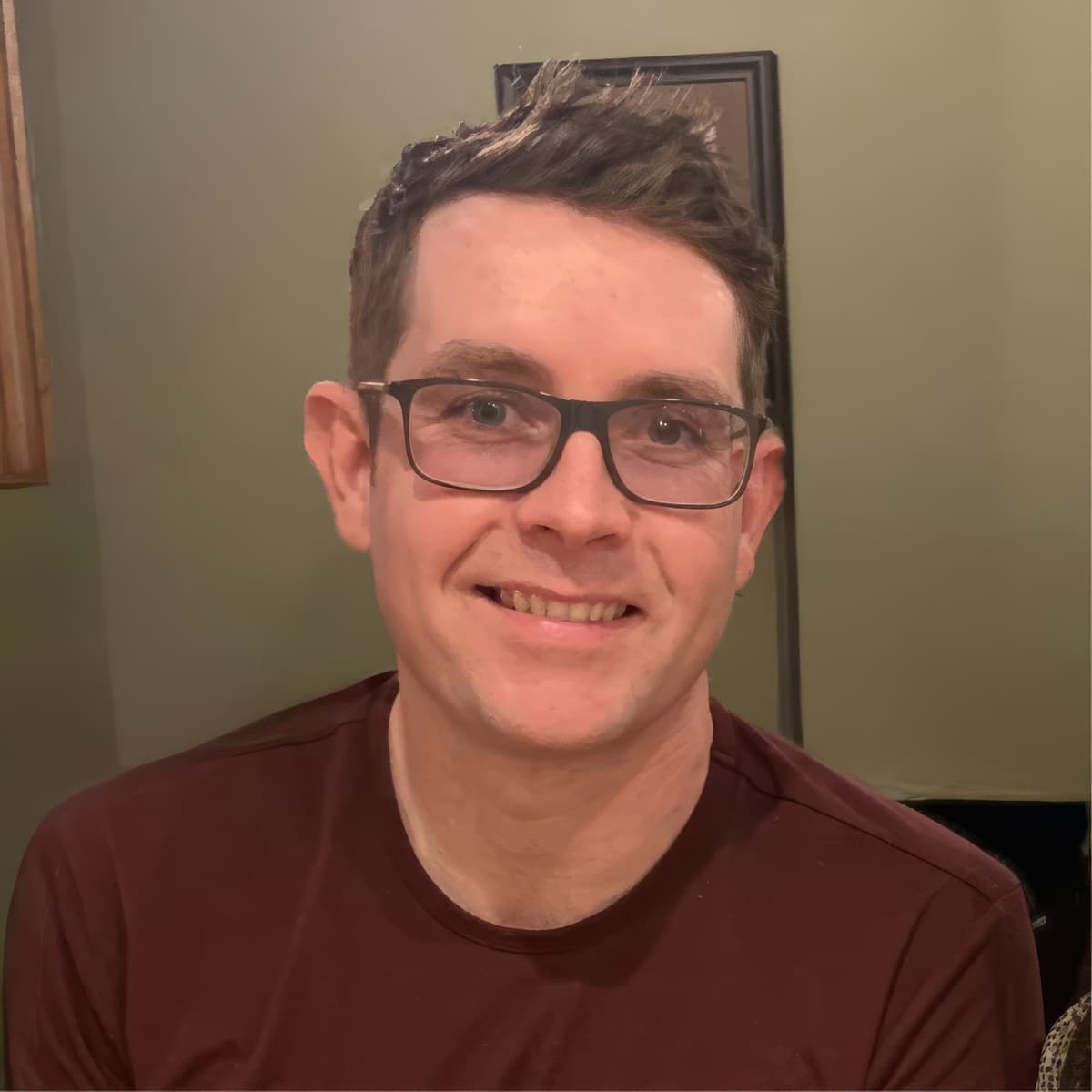
I’m Noah.
Creative director. Bangkok. One brain. The whole pipeline.
I watched ideas get smaller for fifteen years. The strongest insight in the room on Monday was rarely the line on the screen at the all-hands on Friday. It got smaller in legal. It got smaller in account. It got smaller in the “let’s just make sure” meeting nobody put on the calendar.
So I left.
The idea is everything. The person who found the insight should be the person directing the deck, writing the scripts, building the visual system, and signing off on the final files. Not a strategist briefing a creative briefing a producer briefing a vendor. Continuity isn’t a nice-to-have. It’s the whole reason the work stays honest.
Continuity isn’t a nice-to-have. It’s the whole reason the work stays honest.
Most agency overhead is a tax on convincing people who weren’t in the original conversation. I’m not anti-agency. I came up in agencies. Tombras, BarkleyOKRP, Dept, Possible, Digitas — these are not bad places. They are places designed to scale a thing that doesn’t scale, which is judgment. I got good enough at the judgment that I stopped needing the scaffolding around it.
Here’s what fifteen years taught me about briefs: the best ones aren’t about the product. They’re about the tension in someone’s life that the product resolves. “I don’t have time” wasn’t an Orangetheory objection. It was the entire emotional landscape. Find the tension. The work writes itself once you’ve named it correctly.
Find the tension. The work writes itself once you’ve named it correctly.
I think speed kills perfectionism in a good way. The Coke social newsroom taught me that. Five platforms, daily deadlines, no time to overthink. Some of the best work I’ve ever been part of happened because there was no room to second-guess it. Overnight delivery is the same instinct, applied differently.
Forget the freelancer-versus-agency frame. The right frame is: when the brief matters more than the process, who do you call? That’s the call I want to be on.
I’m in Bangkok. I’m 12 hours ahead. The clock difference isn’t a logistics story — it’s the operating model. Your end-of-day is my start-of-day. The brief moves while you sleep.
If any of that sounds like the way you already wanted to work, send the shape of the problem. We’ll figure out the rest.
02 / Field Notes
What AI changes about the work — and what it doesn’t.
Notes from the desk, one every few weeks — mostly on the same thing: AI is a tool, not a shortcut. It closes the gap between an idea and a believable version of it. The craft is still the part that decides whether anyone remembers it.
- ·On category blindness·Read →
The Sea of Sameness
We covered the walls in Florida travel ads — and they all looked the same. Using AI to map the category, Visit Lauderdale saw what everyone else was selling: the beach. The breakthrough came when we found what no one else could own. The water.
- ·On the hype cycle·Read →
The Slop Is Everywhere. The Real Work Is Quiet.
We’ve been here before. Flash, NFTs, VR — every big leap starts loud and ends quiet. AI won’t vanish, but the way it changes creativity will happen behind the scenes, not in viral videos of Princess Diana fighting a Mercedes in a WWE ring.
- ·On chaos and craft·Read →
The Human Error Advantage
AI can make perfect work. But perfection is predictable. The real advantage is being human — making mistakes, breaking patterns, and finding the magic in the mess.
- ·The city between Mr. Rogers and Wiz Khalifa·Read →
Ideas That Shouldn’t Exist
Every now and then, an impossible idea walks into the room. This one wore a cardigan and a gold chain. AI isn’t replacing creativity — it’s helping it evolve.
- ·On rapid prototyping·Read →
When the Idea Is Still Blurry
The best ideas rarely start clear. They start as static, as a feeling that makes sense even when the logic doesn’t. Rapid prototyping with AI lets those blurry thoughts take shape fast enough to share before they disappear.
- ·How AI fixed what should have broken the campaign·Read →
When the Client Starts Paying Attention Too Late
Every creative knows that moment. The edit is locked, and then the client finally starts paying attention. Here is how we turned a last-minute request into a finished spot without a reshoot.
Notes from the desk. Every few weeks. No tracker, no recap, no decks.
Read all Field Notes →03 / The Manifesto
The work or the wrapper.
I left agencies to hold the whole idea.
Ideas shrink in agencies. Not because the people are bad — they aren’t. Because the structure is built to spread risk across a room, and great ideas don’t survive being spread.
So I work differently now.
I find the insight. I direct the deck. Write the scripts. Sign off on finals. One thread, start to finish. The judgment travels with the work because the brain that judged the brief is the brain that judged the cut.
I think the brief is the thing. Not the deck about the brief. Not the meeting about the deck. The brief — the actual problem somebody is trying to solve — is what the work is for. Everything that isn’t the brief is overhead.
I think handoffs kill ideas. That’s not a marketing line. It’s the reason this exists.
Start a project. I’ll tell you whether I can help.